
Article · Speakers
Get Guaranteed Media Listings With PMN / TalkPix
PMN / TalkPix is your lifetime marketing & fund raising partner. Together we market your projects, identify supporters & reward them to kee…
View DetailsLip gloss may look simple, but the right shade can completely change the way a makeup look comes together. A soft pink can make a fresh daytime look feel polished. A warm coral can brighten the face. A nude shimmer can create effortless elegance. Mocha, berry, and deep brown shades can add richness, depth, and sophistication. The key is not simply choosing a beautiful gloss. It is choosing a shade that works with th…
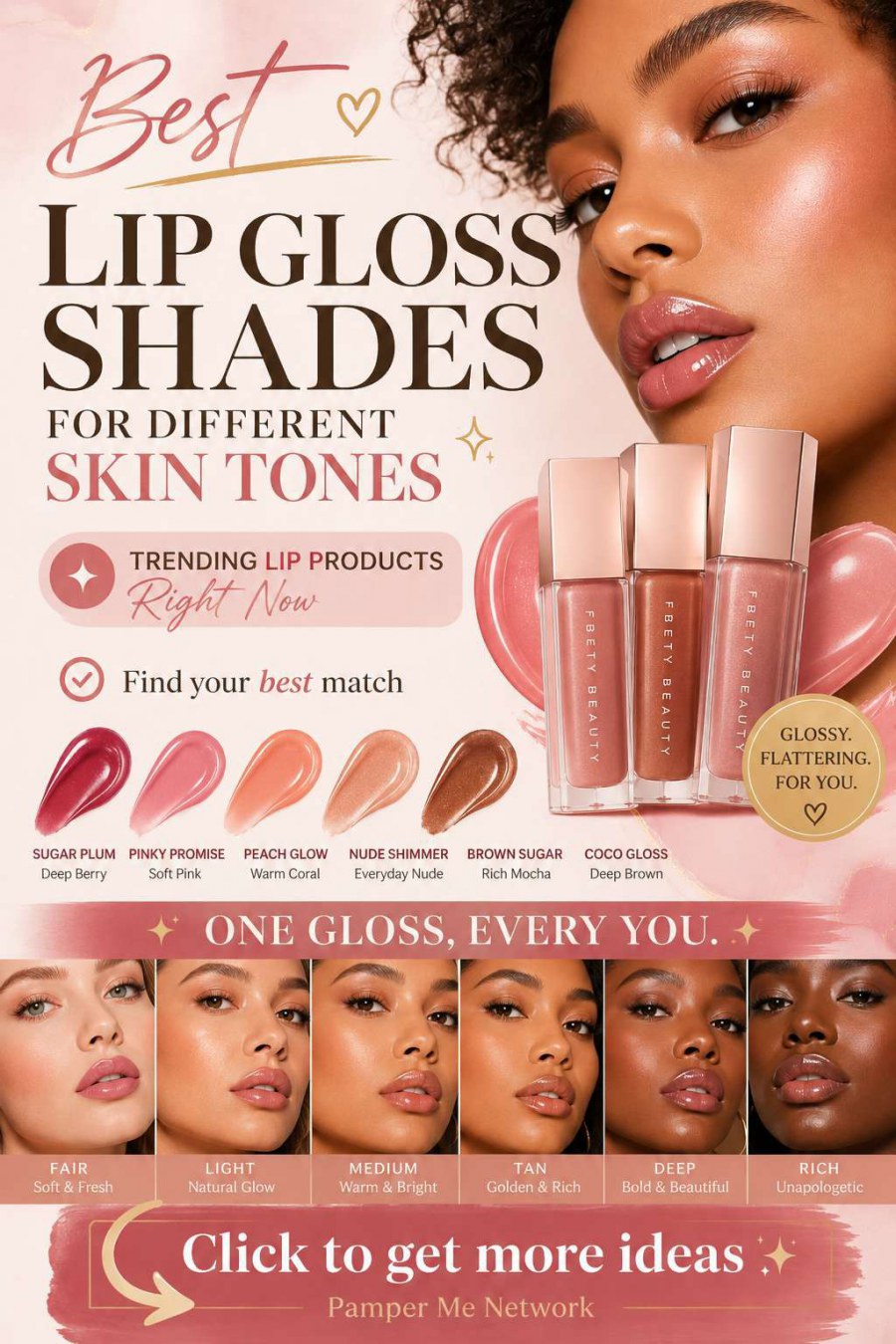
Lip gloss may look simple, but the right shade can completely change the way a makeup look comes together.
A soft pink can make a fresh daytime look feel polished. A warm coral can brighten the face. A nude shimmer can create effortless elegance. Mocha, berry, and deep brown shades can add richness, depth, and sophistication.
The key is not simply choosing a beautiful gloss.
It is choosing a shade that works with the undertones and depth of the complexion.
The good news is that there are no rigid rules. Beauty is personal, and anyone can wear any shade they enjoy. But understanding how certain colors interact with different skin tones can make it easier to find glosses that enhance the face, complement makeup, and create the effect the wearer wants.
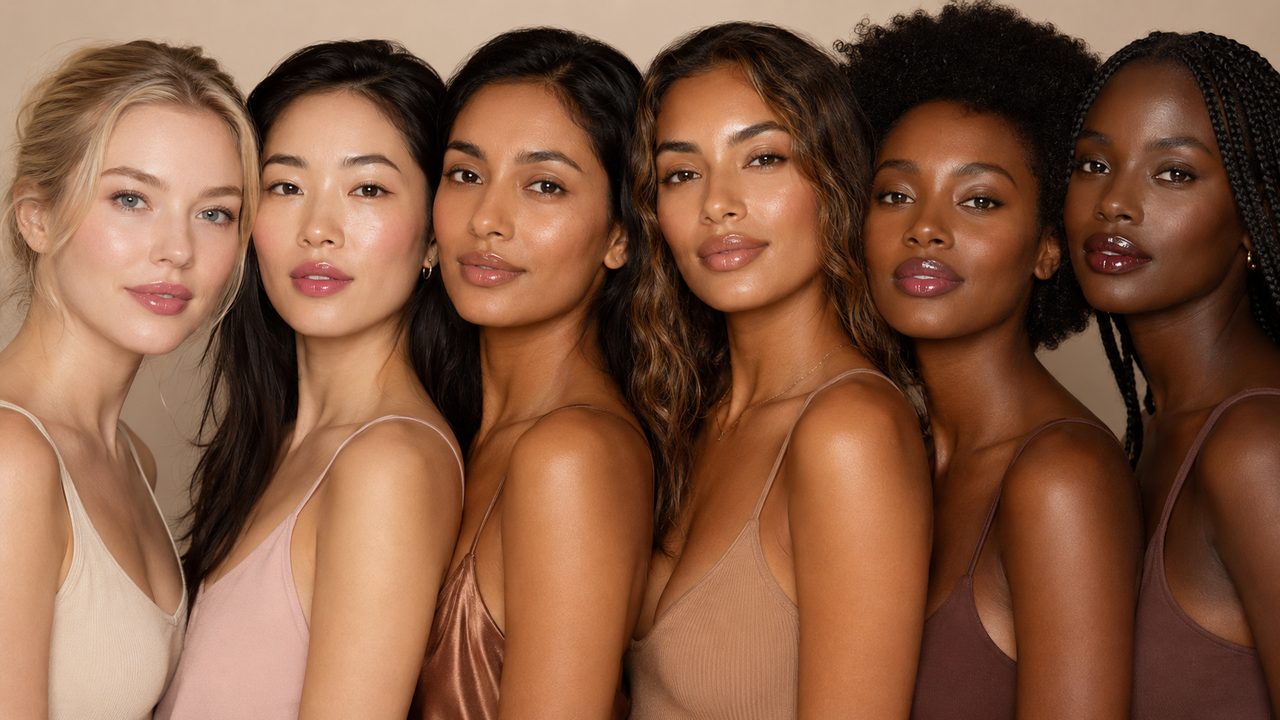
Skin tone refers to the general depth of the complexion, such as:
Undertone is slightly different. It refers to the subtle color beneath the surface of the skin.
Common undertones include:
Cool - often associated with pink, red, or bluish undertones.
Warm - often associated with golden, peach, or yellow undertones.
Neutral - a more balanced combination of warm and cool.
Olive - often characterized by subtle green, golden, or muted undertones.
A gloss that complements both the depth and undertone of the skin can appear especially harmonious.
That does not mean someone with cool undertones cannot wear warm coral, or someone with a deep complexion cannot wear pale pink.
It simply means that different shades create different effects.
Some blend naturally.
Others create intentional contrast.
Both can be beautiful.
Lip Gloss Shades for Fair Skin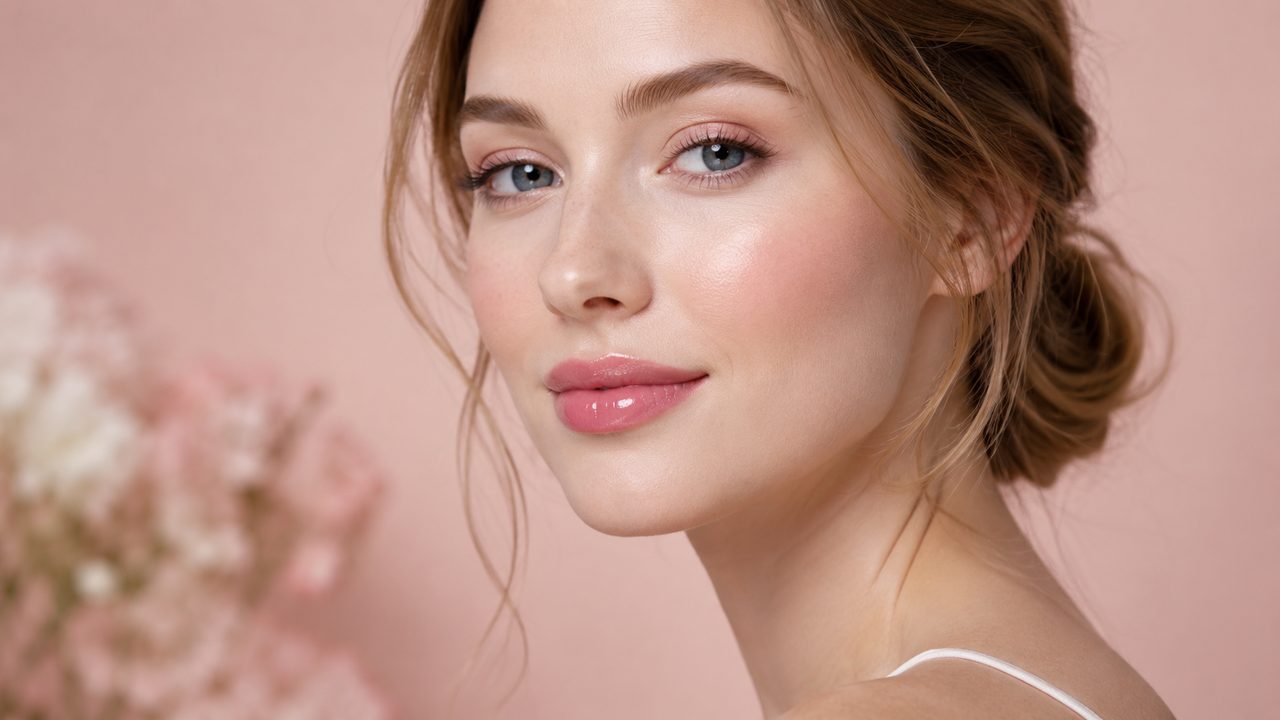
Fair complexions often work beautifully with soft, translucent shades that add color without overwhelming the face.
Soft pink is a classic choice for fair skin because it can add freshness while maintaining a natural appearance.
Look for:
Cooler fair complexions may prefer blue-based or rosy pinks, while warmer complexions may gravitate toward peachier versions.
A soft coral can add warmth and life to fair skin.
The key is choosing a lighter or more translucent version rather than an extremely saturated orange.
A peach-coral gloss can be particularly flattering during spring and summer.
Light beige, champagne, and soft nude glosses can create a sophisticated neutral look.
A small amount of shimmer can help prevent very light nude shades from making the lips disappear into the complexion.
Fair skin can also create beautiful contrast with berry gloss.
Try a sheer raspberry or soft cranberry rather than an extremely opaque dark shade for an easy introduction.
Good starting shades for fair skin:
Soft pink
Peach
Champagne nude
Rose
Sheer berry
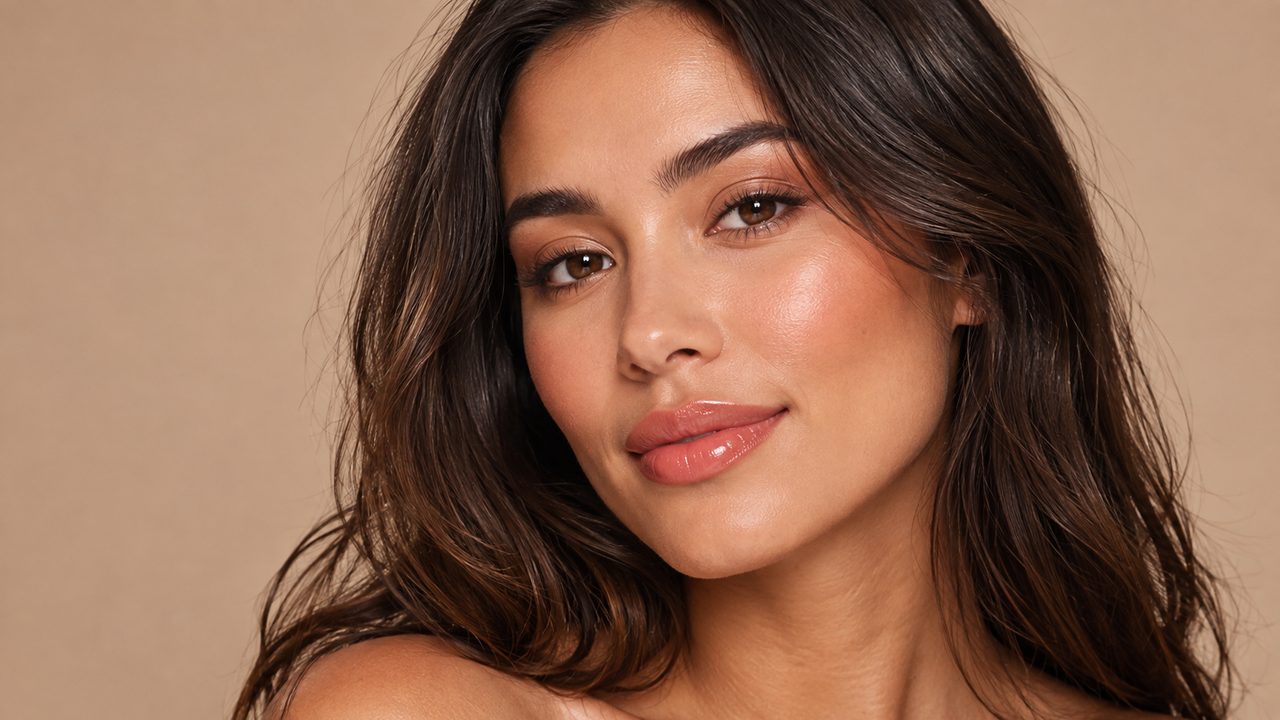
Light-to-medium complexions typically have a wide range of flattering options.
The skin has enough depth to support stronger color while still working beautifully with softer neutrals.
Rose is one of the most versatile lip colors because it sits between pink and neutral.
A rosy gloss can work for:
Medium complexions often handle coral particularly well.
Coral introduces warmth and brightness without necessarily becoming too bold.
Try:
Instead of choosing an extremely pale nude, medium skin tones may benefit from nude shades with more warmth.
Caramel, honey, and beige-pink glosses can complement the complexion without washing it out.
Mauve offers a sophisticated blend of pink, purple, and neutral tones.
It can be especially attractive on neutral and cool undertones.
Good starting shades for light-to-medium skin:
Rose
Warm coral
Caramel nude
Mauve
Warm pink
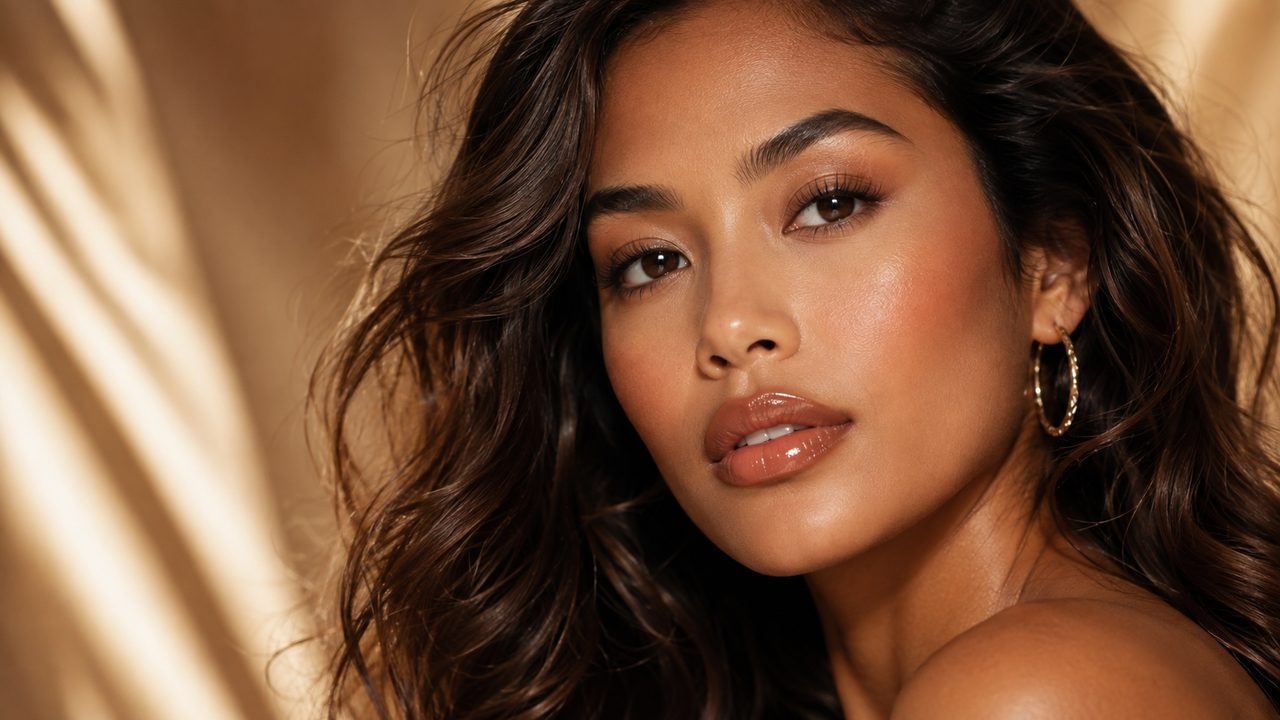
Tan complexions can support rich warmth beautifully.
This is where bronze, caramel, terracotta, and deeper coral tones can really shine.
A bronze or golden nude gloss can create a luminous, sun-kissed effect.
The color works especially well when paired with:
Caramel and toffee shades can create an elegant nude without disappearing into the complexion.
A gloss with a slightly deeper brown or golden base often provides better definition than a pale beige.
Stronger coral shades can look especially vibrant against tan skin.
Think:
burnt coral
warm peach
orange-pink
terracotta
These colors can brighten the entire face.
Berry gloss can create a dramatic but sophisticated contrast.
Try cranberry, plum-rose, or warm berry shades for evening looks.
Good starting shades for tan skin:
Bronze
Caramel
Terracotta
Warm coral
Berry
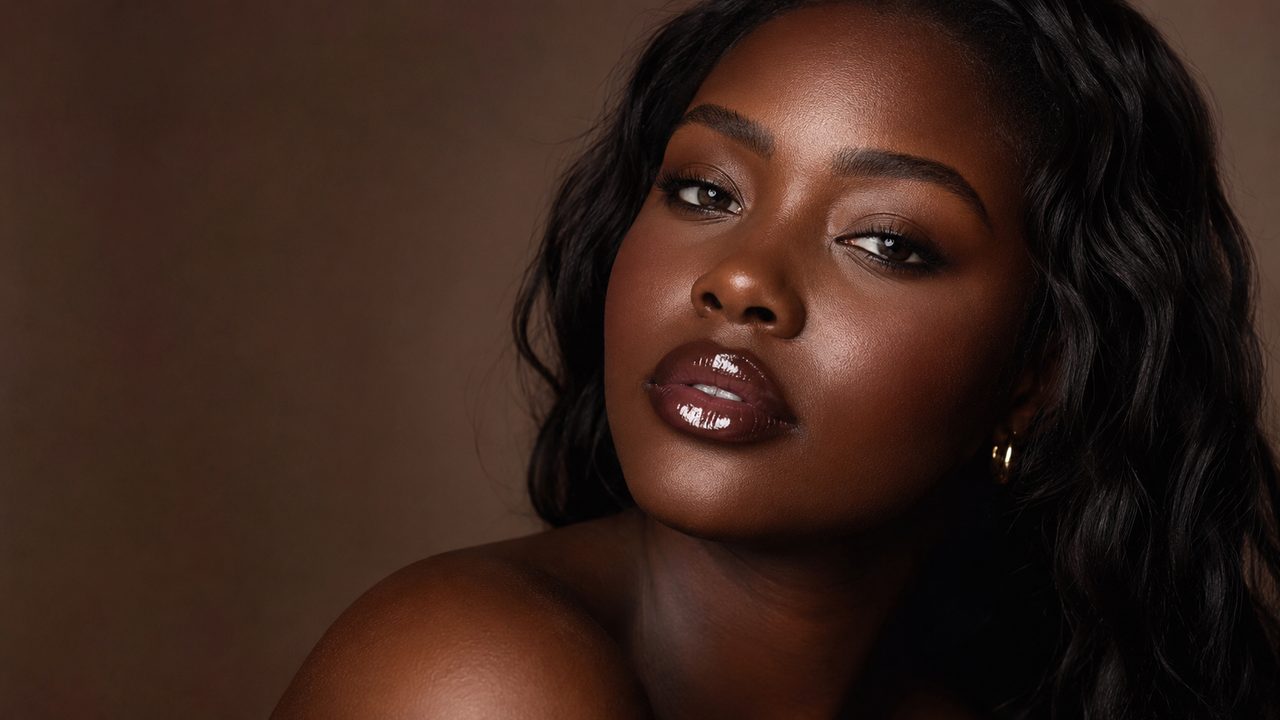
Deep complexions can carry rich, saturated colors particularly well.
Gloss shades with depth often enhance the lips without appearing overly stark.
Mocha is one of the most versatile gloss colors for deeper skin.
It works well because it provides definition while maintaining a neutral, polished appearance.
Mocha can range from:
Berry tones can look especially striking against deeper complexions.
Think:
A sheer berry gloss can provide subtle drama, while a deeper formula can create a more evening-focused look.
Metallic warmth can be particularly flattering on deep skin.
Copper, bronze, and golden-brown glosses can reflect light beautifully and pair naturally with warm undertones.
Rose does not have to mean pale pink.
Deep rose, dusty rose, and brown-rose shades can create an elegant everyday lip.
Good starting shades for deep skin:
Mocha
Deep berry
Bronze
Copper
Brown-rose
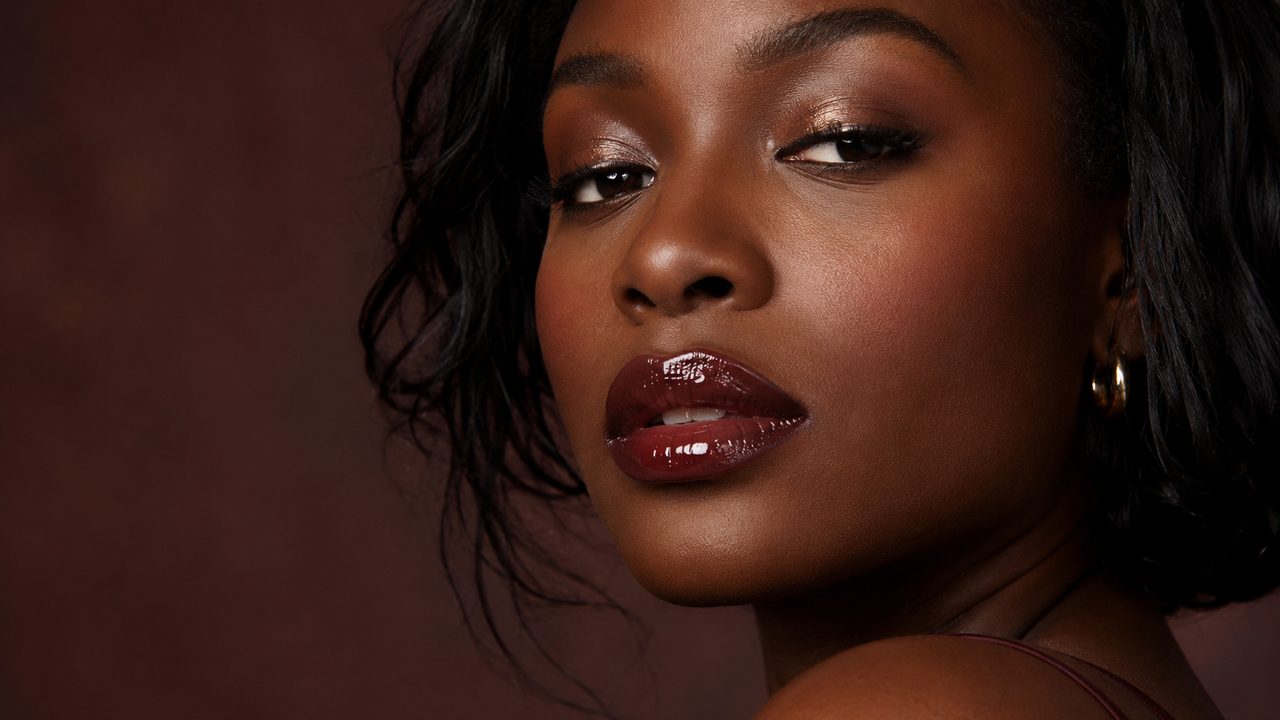
Very rich complexions can support some of the deepest and most dramatic lip colors.
The strongest looks often come from shades with enough pigment and depth to remain visible against the skin.
Deep chocolate and espresso glosses can create an elegant monochromatic effect.
A rich brown lip can look understated, luxurious, or dramatic depending on the finish.
Plum provides depth without being as expected as traditional red.
It can create a polished evening look or add dimension to otherwise minimal makeup.
Wine-based glosses can look especially sophisticated against rich complexions.
They pair beautifully with:
A saturated berry gloss can bring brightness to the face while maintaining depth.
Look for shades that contain enough red, purple, or brown to stand out clearly.
Bronze and copper shimmer can create a beautiful reflective finish, particularly for evening makeup.
Good starting shades for rich skin:
Espresso
Chocolate
Plum
Burgundy
Rich berry
Metallic bronze
Sometimes the difference between a gloss looking ordinary and looking beautifully finished is the lip liner underneath it.
Lip liner can:
For example:
A pale pink gloss can become much more wearable on deeper skin when paired with a medium or deep brown liner.
A clear gloss over a chocolate liner creates an entirely different look than clear gloss worn alone.
A coral gloss over a warm brown liner can become richer and more dimensional.
This is one reason a single gloss can work across many skin tones.
The base underneath it changes the final result.
Nude Gloss Is Not One ColorOne of the most common mistakes in beauty is treating “nude†as a single shade.
A true nude should relate to the person's complexion.
For fair skin, nude might mean pale pink-beige.
For medium skin, nude might mean caramel or rosy beige.
For tan skin, nude might mean warm brown.
For deep skin, nude might mean mocha.
For rich complexions, nude might mean deep chocolate.
The goal is usually not to erase the lips.
It is to create a natural-looking color that still provides definition.
Clear Gloss Works on EveryoneWhen in doubt, clear gloss remains one of the most universally wearable options.
It can be worn:
Clear gloss is also useful because it allows the natural lip color to remain visible.
The final result therefore automatically adapts somewhat to the person wearing it.
Shimmer Can Change the EffectShimmer is not simply decorative.
It can change how the lips reflect light.
Champagne shimmer can add warmth.
Rose-gold shimmer can create softness.
Silver shimmer can make a gloss appear cooler.
Bronze shimmer can add depth.
Gold shimmer can create warmth and dimension.
The amount of shimmer matters too.
Fine shimmer tends to create a more refined appearance.
Larger glitter particles create a more dramatic, statement-driven look.
Matching Lip Gloss to the OccasionThe best lip gloss shade may also depend on where it is being worn.
Consider:
These shades tend to feel polished without becoming distracting.
Try:
Experiment with:
Consider:
Try:
| Skin Tone | Shades Worth Exploring |
|---|---|
| Fair | Soft pink, peach, champagne nude, sheer berry |
| Light-Medium | Rose, coral, caramel nude, mauve |
| Tan | Bronze, terracotta, toffee, warm coral, berry |
| Deep | Mocha, copper, deep rose, berry, bronze |
| Rich | Espresso, chocolate, plum, burgundy, metallic bronze |
These are starting points—not rules.
The best shade is ultimately the one that makes the wearer feel confident.
Build a Small Lip Gloss WardrobeMost people do not need dozens of nearly identical glosses.
A more useful collection might include four or five distinct options.
A nude, mocha, or rose that works with almost anything.
A soft pink, peach, or coral.
A berry, plum, or deep brown.
A champagne, bronze, or rose-gold finish.
For layering and simple everyday shine.
That small collection can produce many different looks.
Beauty Is About Enhancement, Not RestrictionSkin-tone recommendations should be used as inspiration, not limitations.
Someone with fair skin can absolutely wear espresso brown.
Someone with rich skin can absolutely wear pale pink.
Sometimes the most interesting makeup looks come from contrast.
The purpose of understanding color theory is not to tell people what they cannot wear.
It is to give them more control over the result.
A person can choose harmony when they want something natural.
Or choose contrast when they want something bold.
Both are valid.
Find the Shade That Feels Like YouLip gloss remains popular because it is one of the easiest ways to change a makeup look.
A small shift in color can make the face appear warmer, brighter, softer, bolder, or more polished.
Soft pink can create freshness.
Coral can add warmth.
Nude shimmer can create understated elegance.
Mocha can add sophistication.
Berry can bring drama.
Deep brown can create richness and definition.
The best approach is to experiment.
Try different undertones.
Layer gloss over liner.
Compare sheer and opaque finishes.
Explore shimmer.
And pay attention to how the shade works not only with the skin—but also with hair, clothing, jewelry, and personal style.
Because the perfect lip gloss is not simply the shade someone is supposed to wear.
It is the shade that makes the entire look come together.
#LipGloss #LipGlossShades #MakeupForEverySkinTone #GlossyLips #BeautyTips