Show your support with a one-off contribution or share my content and we'll split ad revenue share.
In the new AI Training Economy, one truth is becoming clear:
Data is the new oil — and how well you organize it determines how much it’s worth.
From artists and musicians to publishers and educators, everyone is sitting on a mountain of unstructured, undervalued content. Old photos, articles, videos, and audio files are scattered across hard drives and cloud folders — and most creators don’t even realize these files can be licensed to AI labs for serious money.
But here’s the catch: AI companies don’t pay for chaos.
They pay for clean, labeled, well-structured data — the kind their systems can ingest and learn from immediately.
This article explains how to transform your dusty archives into high-value digital assets ready for AI buyers like Perplexity AI, Troveo, OpenAI, Anthropic, and dozens of emerging AI labs.
AI companies train their models using enormous datasets of human-generated text, images, music, and video. However, raw data is rarely useful in its original form — it needs structure, tagging, and consistent formatting.
Think of AI like a student:
It learns faster when notes are clear and labeled.
It struggles when information is disorganized or incomplete.
When your content is properly organized, you make it easier for AI systems to “learn” from it — and that means buyers are willing to pay more per file.
| Level of Organization | AI Company Value | Typical Price Range |
|---|---|---|
| Raw, unstructured files | Low | $0.01 – $0.05 per item |
| Tagged and labeled content | Medium | $0.10 – $0.50 per item |
| Fully structured, metadata-rich content | High | $1.00 – $10.00+ per item |
The first step is auditing your data — identifying what you actually have and what you can legally sell or license.
Photos and illustrations (original, human-made)
Video clips and B-roll footage
Music, instrumentals, and sound effects
Articles, essays, or educational guides
Scripts, captions, and transcriptions
Tip: AI buyers prefer original, verified human content with a clear authorship trail. Avoid submitting copyrighted work or content containing personal identifiers.
Create a spreadsheet or folder structure that lists:
File name
Content type (image, video, text, audio)
Creation date
Rights holder (you or your company)
Licensing status (available / already licensed)
This forms the foundation of your Data Licensing Portfolio.
Metadata is what transforms your content from clutter into capital. It tells AI buyers exactly what your file contains without opening it.
Here are some examples of metadata fields that increase payout rates:
| Media Type | Key Metadata Tags |
|---|---|
| Images | Subject, colors, style, resolution, keywords |
| Videos | Scene description, length, audio type, context |
| Audio/Music | Genre, mood, tempo, instruments, language |
| Text | Topic, tone, sentiment, length, keywords |
For images: Use Adobe Bridge, Lightroom, or free tools like ExifTool.
For audio: Use programs like MP3Tag or Audacity.
For text: Include metadata headers (JSON, XML, or Markdown format).
For video: Add embedded descriptions or sidecar .srt or .xml files.
Pro Tip: Metadata-rich files can earn 3× to 10× higher payouts because they require less cleaning and preparation before being used in AI model training.
AI labs and content brokers love consistency. Your goal is to deliver clean, standardized files that can be processed quickly.
| Content Type | Preferred Formats | Notes |
|---|---|---|
| Text | .txt, .csv, .json, .xml |
UTF-8 encoding preferred |
| Images | .jpg, .png, .tiff |
Minimum 1024x1024 pixels |
| Audio | .wav, .flac, .mp3 |
44.1 kHz, 16-bit or higher |
| Video | .mp4, .mov, .avi |
720p or higher, H.264 codec |
Before submission, remove duplicates, compress files efficiently, and ensure all filenames are clear and consistent (e.g., portrait_smiling_african_artist_01.jpg instead of IMG_0034.JPG).
Once your content is cleaned, tagged, and formatted, it’s time to list it for sale.
Here are some popular AI licensing marketplaces where organized data sells best:
| Platform | Focus | Payment Model |
|---|---|---|
| Troveo.ai | Human-verified media for AI model training | Per-file or revenue share |
| Perplexity AI Creator Fund | Text, articles, publisher datasets | Lump sum or subscription |
| Shutterstock AI Licensing | Visual data for computer vision | Royalty per use |
| LXT & DataForce | Corporate dataset labeling projects | Project-based |
| Pamper Me Network AI Exchange | Multi-format content monetization | Revenue share + bonuses |
Each platform has its own submission process — but all of them pay significantly more for structured, metadata-rich content.
The final step in data monetization is ongoing management.
Keep timestamped backups of every file submitted.
Use watermarking or content hashing (like PhotoDNA or C2PA metadata) to prove authorship.
Track earnings via platform dashboards or your own spreadsheet.
Reinvest profits into automation tools that help tag, upload, and track data automatically.
Automation tools like EventBot, MoneyBot, or SEOBot (available through the Pamper Me Network) can handle repetitive tasks like metadata tagging, campaign updates, and AI licensing submissions while you focus on creating.
If your files are properly organized, you can earn from multiple AI buyers simultaneously.
Here’s an example scenario for a small creator or business:
| Data Type | Quantity | Payout per Item | Estimated Monthly Earnings |
|---|---|---|---|
| Images | 2,000 | $0.25 | $500 |
| Articles | 500 | $1.00 | $500 |
| Audio files | 100 | $3.00 | $300 |
| Total Estimated Income | — | — | $1,300/month |
Multiply that by 12 months, and that’s over $15,000 per year from content you already own.
| Reason | Explanation |
|---|---|
| Reduced labor cost | Clean data saves thousands of hours in preparation |
| Higher accuracy | Better metadata improves AI model precision |
| Faster integration | Standardized formats load easily into training pipelines |
| Traceable rights | Labeled ownership reduces copyright risk |
By delivering “ready-to-train” data, you position yourself as a premium supplier rather than just another contributor.
The AI economy is already a multi-trillion-dollar market, and organized creators will capture the lion’s share of those earnings.
The days of letting valuable data collect digital dust are over.
When you treat your archives like inventory — labeling, tagging, and structuring them — you transform forgotten work into a predictable income stream.
The next time you browse your hard drive or Google Drive, ask yourself this:
“Is this just old content — or is this an asset ready to fuel the next generation of artificial intelligence?”
Because in 2025 and beyond, the people who organize their data will be the ones AI companies pay top dollar.
If your art, music, or books aren’t selling, you’re not alone. The creative economy is changing—and fast. The traditional market for prints, downloads, and albums has become oversaturated. But a new trillion-dollar market has emerged quietly beneath the surface: the AI Training Economy.
Major AI companies—OpenAI, Anthropic, Google, Meta, and countless startups—are now paying creators for the exact kind of content sitting on your hard drive. They don’t want to buy your prints or tracks. They want to license your catalog as data—and they’re paying top dollar to do it.
Our ebook, “The AI Training Economy: How To Monetize Your Old Content In The Age Of Artificial Intelligence,” teaches you how to transform old creative work into high-value licensing deals. Here’s a preview of what’s inside.
Licensing content to AI companies isn’t speculation—it’s already happening. Tech giants are signing deals worth hundreds of millions of dollars to access curated, rights-cleared archives.
News Corp (publisher of The Wall Street Journal) signed a five-year deal with OpenAI reportedly worth $250 million.
Reddit closed $203 million in data licensing contracts, with $66.4 million recognized in 2024 alone.
Dotdash Meredith, which owns major lifestyle magazines, inked a deal paying at least $16 million per year for content licensing.
Even smaller firms are seeing payouts. The cost of clean, labeled data—the type you already own—ranges from $100,000 to over $1 million per project. And as AI models require constant retraining, demand is compounding.
For independent creators, royalty-based systems are emerging. Based on pilot programs, even conservative estimates suggest potential monthly earnings of $4,000+ for creators with structured archives.
Across art, music, and publishing, the real bottleneck isn’t talent—it’s distribution. AI training companies have turned that bottleneck into an open door.
Your old projects, sketches, and shoots have value far beyond galleries or Instagram. AI firms need human-made visual data to train image models ethically and effectively. That means your unused portfolios could become revenue-generating assets overnight.
Every sample, beat, and vocal track you’ve ever created can help train music and speech AI. Models like Suno, Udio, and OpenAI’s Voice Engine rely on diverse, rights-cleared libraries. Licensing your old stems and demo archives can unlock recurring royalties without new production costs.
From blog posts and academic papers to scripts and e-books, your text archive is data gold. LLMs (Large Language Models) like ChatGPT, Claude, and Gemini thrive on high-integrity, domain-specific writing. Niche expertise—science, law, marketing, medicine—fetches premium licensing fees.
Until recently, AI companies scraped the open web for data—often without consent. But legal pressure has changed the game.
Copyright lawsuits are mounting, with courts affirming that AI systems were trained on protected works.
This has forced a pivot to legitimate licensing, as firms seek “clean data” that’s free from legal risk.
Result: A booming market for creators who can provide rights-verified archives.
Every time an AI company chooses to license rather than scrape, creators win. It’s faster, cleaner, and cheaper than paying lawyers later.
Here’s the basic roadmap (fully detailed in the ebook):
Audit Your Content Library
Collect your old art, photos, videos, music, and writing.
Remove duplicates and note where rights are 100% yours.
Organize & Tag Everything
Use descriptive filenames and embedded metadata.
Note genre, theme, location, style, and date—AI firms value well-tagged datasets.
Identify the Right Platforms
Submit to AI-friendly marketplaces such as Troveo, Shutterstock AI, Bria, Getty, or Adobe Firefly.
Each platform offers licensing terms for different content types.
Review Legal Agreements
Prefer non-exclusive licenses, allowing reuse across platforms.
Always retain ownership and the right to future resale.
Collect Royalties or Flat Fees
Expect one-time payouts or recurring income depending on the deal.
Keep track of usage through your dashboard or analytics tool.
| Platform | Focus | Payment Model |
|---|---|---|
| Troveo | AI-ready licensing for video, images, and text | Flat fees + royalties |
| Shutterstock x OpenAI | Stock photo & video data for AI training | Royalties per dataset |
| Adobe Firefly | Creative cloud contributor program | Contributor bonuses |
| Bria AI | Visual and video data licensing | Revenue share |
| Getty x NVIDIA | Licensed image and video training data | Lump-sum licensing |
| Perplexity AI Creator Fund | Publisher & creator partnerships | $42.5 million fund |
These companies are just the start. Over 50+ organizations now run AI content licensing programs, from startups to billion-dollar giants.
The difference between earning $400 and $40,000 lies in how well you prepare and package your data.
Non-Exclusive Licensing: Sell the same archive to multiple buyers.
Metadata Optimization: The better your data tags, the higher the acceptance rate.
Portfolio Curation: AI firms want organized, ready-to-use datasets, not messy archives.
Diversification: Offer bundles—art + captions, music + lyrics, image + text—for premium rates.
Pro tip: AI firms often prefer 10,000+ assets at once. Group your content into “data collections” by theme (e.g., “Urban Photography 2012–2020”) to increase perceived value.
AI’s hunger for data is insatiable—and expanding fast. Beyond text, image, and sound, companies are now licensing 3D scans, VR worlds, motion capture, and haptics. Future AI systems will require multisensory datasets, opening new revenue streams for every type of creator.
Governments, too, are moving toward regulation that requires AI firms to prove data provenance. That means you, as a verified content owner, will soon become even more valuable.
Your unused content is not wasted—it’s waiting. AI companies are actively searching for data just like yours, but the window for first-mover advantage won’t stay open long.
Get the complete step-by-step system:
“The AI Training Economy: How To Monetize Your Old Content In The Age Of Artificial Intelligence.”
This 100+-page guide includes:
Full metadata templates
50+ verified AI licensing platforms
Case studies, legal insights, and pricing benchmarks
Bonus checklists to audit, submit, and scale your earnings
The question isn’t whether your content has value—it’s how soon you’ll start getting paid for it.
Don’t let your archives gather digital dust while AI companies write multi-million-dollar checks.
License your work. Get paid. Fuel the future of AI—with your creativity.
Every few decades, a technological revolution reshapes who holds wealth, power, and influence. In the 1800s, it was land. In the 1900s, it was oil. In the early 2000s, it was data.
Today, it’s content archives — the digital gold fueling artificial intelligence.
What used to sit on your hard drive gathering dust—old videos, blogs, voice recordings, music, essays, photos, or podcasts—is now training data for the next generation of AI models. Companies like OpenAI, Anthropic, Google DeepMind, and Stability AI are spending billions acquiring licensed datasets that help machines learn to see, hear, write, and think like humans.
This is the AI Archive Gold Rush, and creators who act now can turn forgotten content into recurring income streams.
If you’ve been publishing, posting, or recording for the last 10 or 20 years, you’re sitting on an invisible asset.
Every caption, audio file, or image contains context — a signal that helps AI understand the world.
AI doesn’t grow out of thin air; it learns from human creativity. Every successful model is powered by massive datasets — and those datasets come from people like you.
Writers train language models to understand tone, structure, and persuasion.
Designers and photographers teach visual models to interpret color, symmetry, and emotion.
Musicians and podcasters supply the rhythm, nuance, and emotion that make AI voices sound human.
The AI industry is projected to spend over $100 billion by 2030 on licensing, cleaning, and curating data. That means companies will continue to pay creators, publishers, and communities for access to authentic human archives.
Not all data is treated equally.
AI companies have been criticized for scraping the internet without consent. But as legal pressure mounts, a new category has emerged — licensed data.
Licensed data is:
Ethically sourced
Legally compliant
Traceable to the creator
Monetizable through royalties or lump-sum licensing deals
That’s where the Pamper Me Network (PMN) comes in.
PMN helps creators package their archives — text, images, music, and videos — into structured, licensed collections that can be sold or syndicated to AI companies, media agencies, and training marketplaces.
By working with PMN, creators not only protect their intellectual property but also earn royalties every time their content helps train an algorithm.
The basic process is simple:
Identify your digital assets — anything you’ve created, recorded, or published.
Organize and tag them — add metadata, categories, and permissions.
License them to data marketplaces — such as PMN, Troveo, DataUniverse, or Hugging Face’s paid datasets.
Earn royalties — each time your dataset is accessed, downloaded, or used to train a model.
With PMN’s AI + Social Rewards model, you can also earn through:
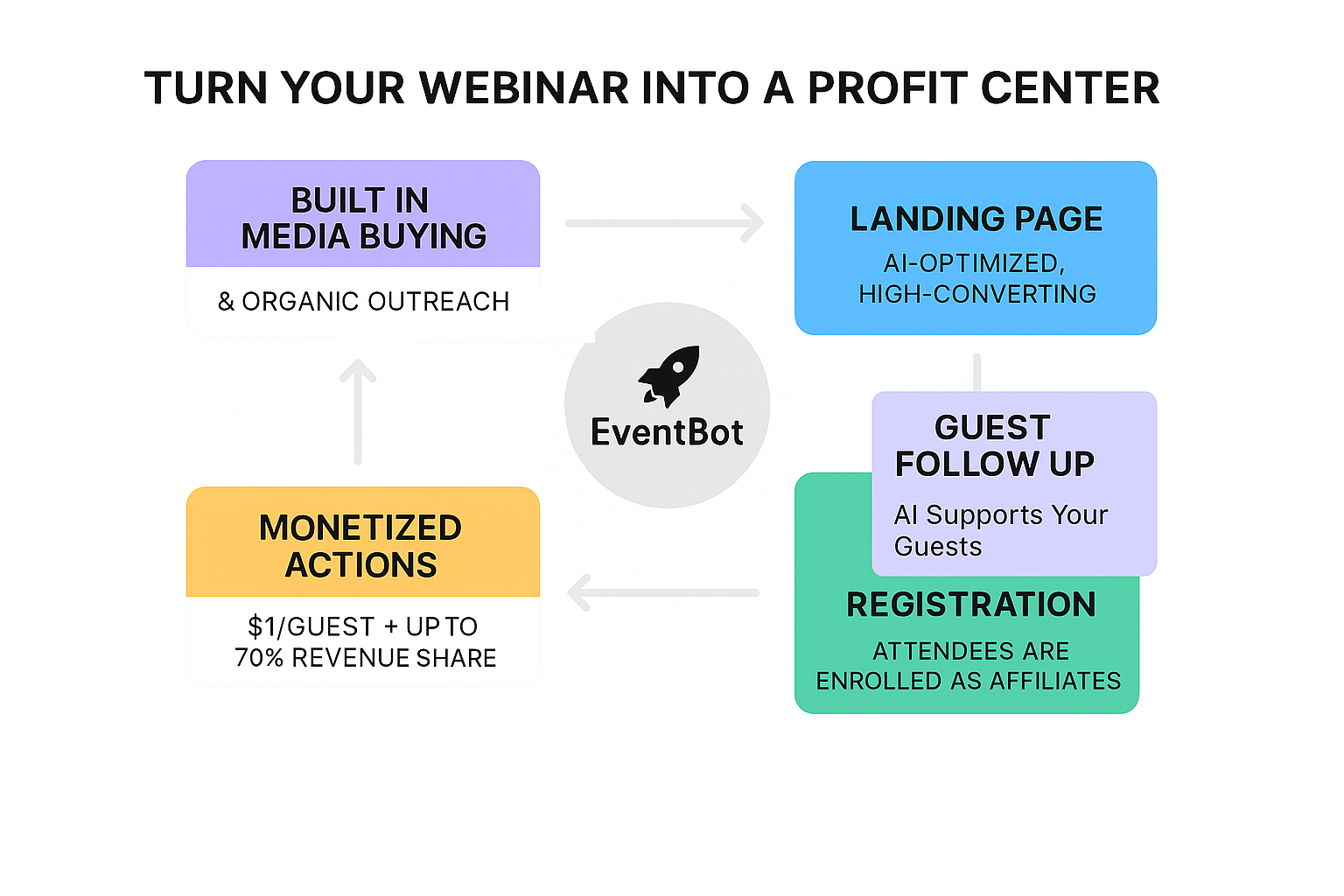
Social engagement rewards: $1 per new registered guest or collaborator.
Affiliate earnings: up to 70% of advertising and membership revenue.
Creator royalties: ongoing payments for licensed content use in AI training.
It’s a revolutionary hybrid: social media meets intellectual-property licensing.
AI companies don’t just need any data—they need high-quality, diverse, real-world human data.
Most AI datasets are skewed toward English, Western culture, and urban environments. That leaves a massive gap for creators who produce niche, cultural, multilingual, or subject-specific content.
If you’ve documented your heritage, language, art style, recipes, or community stories, your archive is one-of-a-kind.
That uniqueness translates to higher licensing value.
The Pamper Me Network actively works with creators, authors, coaches, and community leaders to package this type of content for enterprise AI buyers and training platforms.
| Marketplace / Platform | Focus Area | Who It Serves | Earning Model |
|---|---|---|---|
| Pamper Me Network (PMN) | AI Training + Social Rewards | Creators, authors, educators | Royalties + affiliate earnings + $1 social rewards |
| Troveo.ai | Video & multimedia datasets | Filmmakers, influencers | Licensing per dataset |
| Perplexity Comet | Knowledge & Q&A data | Publishers, experts | Creator & publisher fund payouts |
| DataUniverse.ai | General datasets | Enterprises & researchers | Per-download royalty |
| Hugging Face Datasets | Open-source / Paid AI data | Developers, scientists | Visibility + donation / licensing model |
| Getty Images & Shutterstock AI Licensing | Photography & video | Visual artists | Per-image licensing for AI training |
| Cohere / Stability AI Partnerships | Text & visual data | Writers, artists | One-time and recurring license deals |
| Google Dataset Search / Kaggle | Research datasets | Data professionals | Attribution & exposure (non-royalty) |
| Snowflake Data Marketplace | Structured business data | Enterprises | Enterprise licensing (high-value deals) |
Just like the 19th-century Gold Rush, the biggest profits go to early movers.
When gold miners arrived late, they found empty riverbeds. When photographers digitized late, they missed the Instagram boom. When writers ignored self-publishing, they lost to Kindle authors who built seven-figure careers from spare bedrooms.
Right now, AI companies are still assembling their data pipelines and licensing frameworks. Once those libraries are full, demand (and payout rates) will stabilize — or decline.
If you wait a year or two, your archive might still be valuable, but the best licensing opportunities will be gone.
The time to stake your claim is now.
Audit your digital content – collect everything you’ve ever produced: videos, audio, text, photography, presentations, even client work.
Organize by category – business, education, entertainment, health, music, etc.
Add metadata – dates, descriptions, keywords, and ownership info.
Secure your rights – make sure you have full copyright or written permission.
Upload to a licensing partner – such as the Pamper Me Network, where data packaging and AI distribution are handled for you.
Promote through your social channels – your audience can become your affiliate network.
Artificial intelligence will reshape every industry — from entertainment to education — but it can’t evolve without human creativity.
This is the first time in history that everyday people can monetize their past experiences, thoughts, and ideas as training data for the future.
The Pamper Me Network is building the bridge between creators and AI companies, ensuring that the people who built the internet’s content foundation finally share in the rewards.
Don’t let your digital legacy fade into obscurity. Dust off your archives, organize your files, and claim your royalties.
Because in the AI era, your old content isn’t obsolete — it’s gold.
Learn more at the PamperMeNetwork.com
Join the AI Archive Gold Rush before it’s too late.
For many artists, the past few years have been a brutal reality check. Once-reliable markets—gallery shows, print-on-demand sales, even online commissions—have slowed to a crawl. The internet is flooded with cheap digital content, social media algorithms reward novelty over craft, and collectors have become cautious in uncertain economies.
But here’s the twist: while the market for traditional art has cooled, the demand for creative content has exploded. Artificial intelligence companies—those developing text-to-image generators, 3D model trainers, and immersive world-building engines—are hungry for exactly what artists already have: large, well-organized catalogues of visual data.
If your art isn’t selling, that doesn’t mean it has no value. In fact, it may be more valuable than ever—not to a single buyer, but to an entire generation of AI models learning to “see” and “create.”
Artificial intelligence is driven by data. Every brushstroke, photograph, sketch, and 3D texture helps train machines to interpret and generate visuals. The more diverse and high-quality the data, the more powerful and accurate the model becomes.
Until recently, much of this training content was scraped from the web—often without consent. But that era is ending fast. Legal challenges, new copyright legislation, and pressure from artists have forced AI companies to change their approach. Today, a new marketplace is emerging where artists can license their work ethically and get paid fairly.
Firms like Adobe, Shutterstock, and specialized AI startups are building licensed data programs, where artists upload their images and are compensated each time those assets are used in AI training datasets. Rates vary, but payouts are growing as AI demand scales into billions.
This is a new economy—a data economy—and artists who organize their catalogues strategically stand to benefit.
Think of your artwork not as finished pieces, but as data assets.
A watercolor portrait becomes a data point in “human emotion rendering.”
A digital landscape becomes part of an “environmental realism” dataset.
A series of sketches might help train a generative model to replicate hand-drawn shading techniques.
Every style, subject, and medium has value in the AI world. The more unique and diverse your archive, the more valuable it becomes. AI companies don’t just need masterpieces—they need variety, consistency, and clarity.
What that means:
A set of 100 flower studies is worth more than one perfect painting.
A collection of architectural sketches may train models for virtual city design.
A catalogue of portraits showing different lighting and skin tones may power AI image correction tools.
In short, you already own valuable training material—you just haven’t been monetizing it correctly.
The process of licensing your art to AI companies isn’t complicated, but it does require some organization and digital hygiene.
Gather your digital art files—photos, illustrations, PSDs, videos, even sketches. Identify themes and formats (portraits, nature, abstract, textures, etc.). Create folders by subject and medium.
AI firms pay more for curated, labeled collections than random dumps of images. Think of your catalogue as a museum database, not a Dropbox folder.
Metadata is the key to big payouts. This includes:
Titles and descriptions (e.g., “Impressionist landscape in spring light”)
Keywords (e.g., “trees, nature, brushstroke, oil paint”)
File type and resolution
Date and author tags
The better your metadata, the easier it is for AI firms to categorize and price your work. Artists with strong metadata often earn 2–5× more per licensing deal because their content requires less cleaning and manual tagging.
Start with platforms like:
Shutterstock AI Licensing Program
Adobe Stock’s AI Data Initiative
Bria.ai Creator Licensing
LAION-Fair (emerging ethical data registry)
Each program pays differently—some offer flat fees per dataset; others pay royalties based on usage. The key is to start early. Companies are still forming partnerships with creators to build their next generation of training models.
Always read the licensing terms. Choose non-exclusive agreements when possible, allowing you to license the same content to multiple AI firms. Keep records of where your art is used, and consider watermarking previews.
As the industry matures, more transparent revenue-sharing models are expected—similar to how musicians earn royalties on streaming platforms..
Many independent creators are already earning from AI licensing without changing their artistic practice. The list below highlights some of the vendors listed in the "Ultimate Guide To Selling Your Old Content To AI Companies" currently supporting creators.
| Platform / Company | Creator Payment Model | Source |
|---|---|---|
| Shutterstock x OpenAI | Pays contributors royalties when their images are used in AI training datasets | Shutterstock AI Licensing Announcement |
| Adobe Firefly | Compensates Adobe Stock contributors for data used to train Firefly | Adobe Contributor Terms |
| Bria AI | Licenses content directly from creators and agencies with revenue sharing | Bria AI Official Site |
| Getty Images x NVIDIA | Partners with creators and agencies to train ethical AI models | Getty Images Press Release |
| Perplexity AI Creator Fund | $42.5 million fund to pay publishers and creators for data contributions | Perplexity AI Creator Fund |
W
These aren’t isolated examples—they’re the beginning of a trend.
For decades, artists were taught to think in terms of sales: make a painting, find a buyer, move on. But digital economies reward those who think in systems—those who create once and monetize repeatedly.
AI licensing transforms art from a one-time product into a recurring revenue asset. You’re not just selling images—you’re licensing knowledge: color theory, composition, anatomy, emotion.
This is your intellectual property, distilled into data that powers the next generation of visual technology. And unlike speculative NFT markets or algorithmic social media, AI licensing is grounded in real demand and real contracts.
If your art isn’t selling, it doesn’t mean your career is over—it means it’s time to pivot.
AI models need you. They need your brushstrokes, your imagination, your understanding of texture and tone. Machines can imitate style, but they can’t create it from nothing. That’s where artists come in—as teachers of creativity itself.
The artists who embrace this shift now will be remembered as the pioneers who bridged traditional art and machine intelligence. So, dust off those archives, tag your files, and get ready to earn—not from galleries or likes, but from data royalties.
Because in the new economy, organized creativity is the new currency—and artists who treat their work as data will be the ones who finally get paid what they deserve.
Introducing
CHI YAN's NFT POSTER PROJECT
Each NFT is Electronically signed /numbered and is accompanied by a real SIGNED POSTER
(POSTAGE FOR DELIVERY IS TO BE ADDED)
CHI YAN LIVE 3 NFT
Changing the world of NFT's in your Kaxyi Land World
THIS IS A KLEXXMAR PRODUCTION
EXCLUSIVELY AVAILABLE on the PMN PLATFORM C/O
https://www.pampermenetwork.com/index.php?option=com_alphauserpoints&view=profile&username=campaign&lang=en
Introducing one of the still unknown raising stars
CHI YAN
A member of the 6 member Klexxmar Group
This is a Klexxmar Productions Promo intro to CHI YAN coming soon
CHI YAN's grassroots underground growing fan club is one of the very well kept secrets on the horizon..
About
CHI YAN
Biography of CHI YAN A 1994 Racially Diverse Singer and Fashion Designer.
Birthplace in Buhera Lived in several places included Chiredzi, a small town found in the lowveld, Zimbabwe.
Equally so her Multiverse religious upbringing gave her a love for music while singing in, among others, a Catholic church. University trained in Tertiary studies, now ready to step out on her own platform
Introducing
CHI YAN SUPREME
1000 digitally numbered items
Introducing one of the still unknown raising stars, CHI YAN.
A member of the 6 member Klexxmar Group.
This is a Klexxmar Productions Promo intro to CHI YAN coming soon.
CHI YAN's grassroots underground growing fan club is one of the very well kept secrets on the horizon...
About CHI YAN
Biography of CHI YAN
A 1994 Racially Diverse Singer and Fashion Designer.
Birthplace in Buhera Lived in several places included Chiredzi, a small town found in the lowveld, Zimbabwe.
Equally so her Multiverse religious upbringing gave her a love for music while singing in, among others, a Catholic church. University trained in Tertiary studies, now ready to step out on her own platform
Introducing
CHI YAN's NFT POSTER PROJECT
Each NFT is Electronically signed /numbered and is accompanied by a real SIGNED POSTER
(POSTAGE FOR DELIVERY IS TO BE ADDED)
This is the CHI YAN REBORN POSTER PROJECT
With each NFT purchase you will
Introducing one of the still unknown raising stars, CHI YAN.
A member of the 6 member Klexxmar Group.
This is a Klexxmar Productions Promo intro to CHI YAN coming soon.
CHI YAN's grassroots underground growing fan club is one of the very well kept secrets on the horizon...
About CHI YAN
Biography of CHI YAN
A 1994 Racially Diverse Singer and Fashion Designer.
Birthplace in Buhera Lived in several places included Chiredzi, a small town found in the lowveld, Zimbabwe.
Equally so her Multiverse religious upbringing gave her a love for music while singing in, among others, a Catholic church. University trained in Tertiary studies, now ready to step out on her own platform
Introducing
CHI YAN
Introducing one of the still unknown raising stars, CHI YAN.
A member of the 6 member Klexxmar Group.
This is a Klexxmar Productions Promo intro to CHI YAN coming soon.
CHI YAN's grassroots underground growing fan club is one of the very well kept secrets on the horizon...
About CHI YAN
Biography of CHI YAN
A 1994 Racially Diverse Singer and Fashion Designer.
Birthplace in Buhera Lived in several places included Chiredzi, a small town found in the lowveld, Zimbabwe.
Equally so her Multiverse religious upbringing gave her a love for music while singing in, among others, a Catholic church. University trained in Tertiary studies, now ready to step out on her own platform
Mike Roach and Chris Boucher are joined by Raptors rookie Christian Koloko to discuss being drafted by the Raptors, growing up in Cameroon, the unheard story behind his altercation with Caleb Martin and more! Subscribe to our YouTube channel for more Raptors content!
Photo Credit: Louis Eng
#torontoraptors #raptors #hustleplay
YOUTUBE SUBSCRIBE: https://bit.ly/2P5ZEIz
INSTAGRAM: http://bit.ly/36WpYfD
LISTEN TO THE 'HUSTLE PLAY' PODCAST: pod.link/1606974998
TWITTER: http://bit.ly/2Xdj699
YAHOO SPORTS: https://yhoo.it/2O4LKVO
DOWNLOAD THE YAHOO SPORTS APP: https://yhoo.it/377jIBV
When love is your business, you have no business falling in love. Join the gang at Regal Bride as they battle birds and brides in this zany holiday romantic comedy! Starring Paula Deming and Keiko Agena as Emma and Jackie, the best friends in the wedding business. With Kyle Payne as Stu, Ian McQuown as Trip, and Jessica Payne as Katie. Featuring Kacie Rogers and Jesse Abbott Chin in approximately six thousand roles, and introducing Martin Thompson as Junior!
COPY TEXT BELOW, OPEN EMAIL CLIENT, CREATE NEW MESSAGE, PASTE TEXT FROM CLIPBOARD & SEND MESSAGE
I thought you might be interested in this content/opportunity:
You can review at
https://www.pampermenetwork.com/index.php?option=com_alphauserpoints&view=creatormanager&layout=collabodetail&id=348
COPY TEXT BELOW, OPEN WHATSAPP, CREATE NEW MESSAGE, PASTE TEXT FROM CLIPBOARD & SEND MESSAGE
I thought you might be interested in this content/opportunity:
You can review at
COPY TEXT BELOW, OPEN INSTAGRAM& CREATE NEW DIRECT MESSAGE, PASTE TEXT FROM CLIPBOARD & SEND MESSAGE
I thought you might be interested in this content/opportunity:
You can review at
COPY TEXT BELOW, OPEN SKYPE& CREATE NEW DIRECT MESSAGE, PASTE TEXT FROM CLIPBOARD & SEND MESSAGE
I thought you might be interested in this content/opportunity:
You can review at
COPY TEXT BELOW, OPEN SNAPCHAT, CREATE NEW CHAT, PASTE TEXT FROM CLIPBOARD & SEND MESSAGE
I thought you might be interested in this content/opportunity:
You can review at