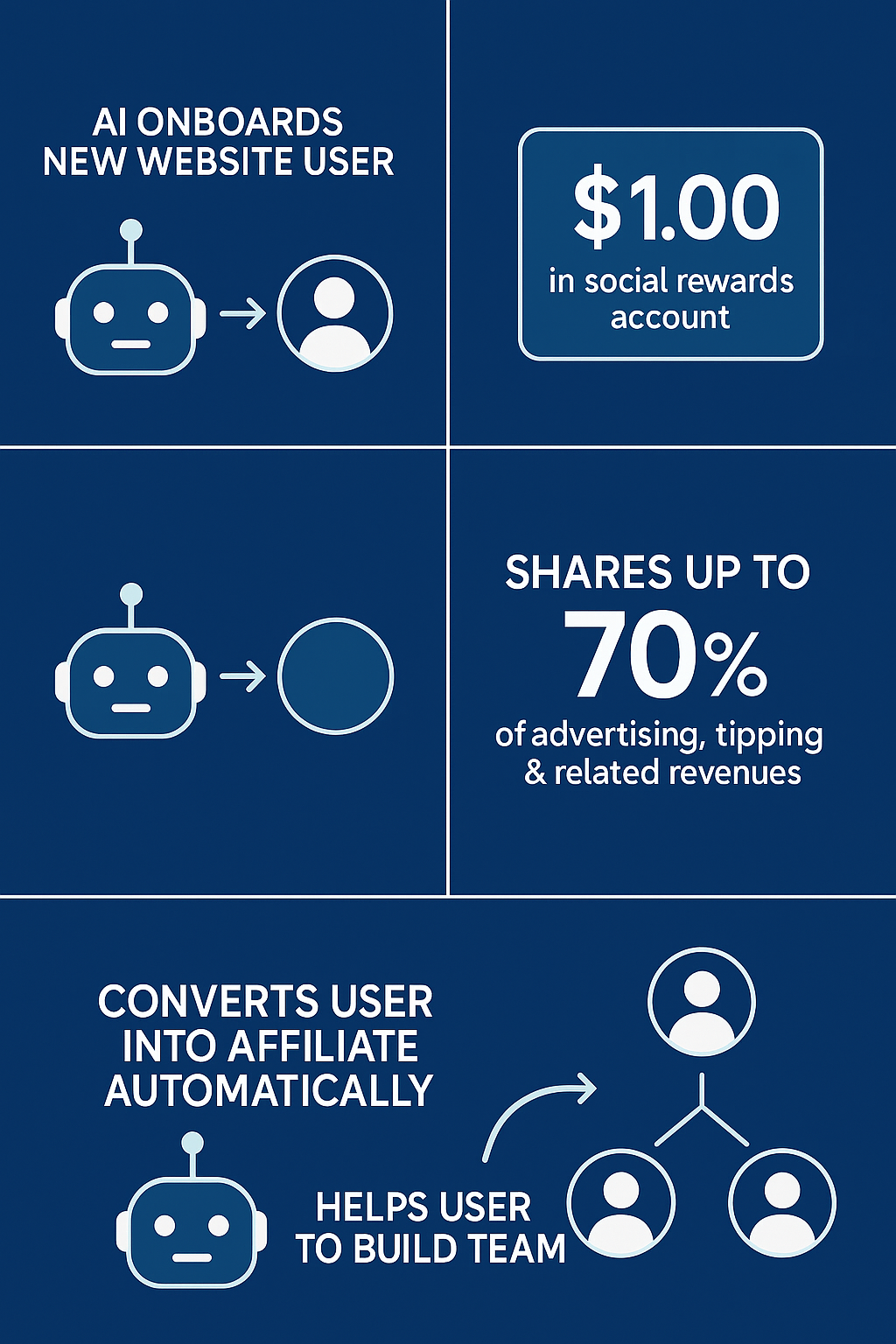
Show your support with a one-off contribution or share my content and we'll split ad revenue share.
For more than a century, department stores shaped everyday life in Ontario.
They were more than retail spaces — they were cultural landmarks, social hubs, holiday destinations, job creators, and symbols of urban identity. From Toronto to Windsor, from Thunder Bay to Ottawa, these stores defined childhood memories, seasonal shopping rituals, and the entire architecture of downtown life.
But between the 1980s and the 2010s, almost every major Canadian department store chain either collapsed, was absorbed, or vanished entirely.
Ontario — once home to dozens of proud retail names — became the epicenter of one of the largest retail wipeouts in North America.
This is the story of that rise and fall.
Perhaps the most iconic department store in Canadian history, Eaton’s was the brand that built Toronto’s retail identity. It launched the famous Santa Claus Parade, dominated mail-order retail, and created Toronto Eaton Centre — still one of the busiest shopping malls in North America.
But mismanagement in the 1980s and 90s, failed rebranding attempts (“Eaton’s: It’s Everything”), and intense competition caused the empire to fall into bankruptcy in 1999.
Why it mattered:
Eaton’s wasn’t just a store — it was part of Canada’s identity.
Simpson’s was Eaton’s greatest rival. The two battled for decades for Toronto consumers.
Simpson’s is also the origin of Simpsons-Sears, which later evolved into Sears Canada.
In 1991, the Hudson’s Bay Company absorbed Simpson’s entirely.
The flagship store at Queen & Yonge eventually became Hudson’s Bay + Saks.
Why it mattered:
Simpson’s was the elegant counterpart to Eaton’s, famous for upscale merchandise and its Christmas windows.
The company still exists, but the traditional Bay department store model is essentially gone, with dozens of Ontario locations closed and more planned closures underway.
The Bay no longer operates as a classic department store — it is now a downsized apparel/home retailer struggling to survive.
Although technically not “gone,” most Ontario locations have disappeared, and the era of the Bay as a department-store titan is effectively over.
Why it mattered:
HBC was the last survivor of Canada’s department-store era.
The descent of Sears Canada was one of the biggest collapses in Canadian retail history. From a household staple to bankruptcy, Sears left behind empty malls, empty plazas, and empty memories.
Why it mattered:
For decades, Sears was the “safe choice” for appliances, tools, and catalog shopping. Its absence left a massive gap.
The original Zellers — the one we grew up with — is gone.
The revival is more of a pop-up concept inside Hudson’s Bay stores.
Why it mattered:
Zellers was the Canadian version of Walmart before Walmart arrived.
A beloved mid-tier chain with 122 Canadian stores at its peak.
It was purchased by Zellers in the late 1990s.
Why it mattered:
Kmart was known for its Blue Light Specials, cafeterias, and accessible pricing.
Woolworth was the pioneer of the “five-and-dime” model.
Woolco (its department-store spinoff) was sold to Walmart, which effectively changed retail in Canada forever.
Why it mattered:
Woolco → Walmart. Enough said.
A totally unique Canadian model.
You ordered from a catalogue, filled out a slip, and waited at the counter.
It was Amazon before Amazon.
Why it mattered:
Its decline predicted the death of catalogue-based shopping.
These are the ones most people forget — but they were HUGE in Ontario.
Towers was a major discount chain across Ontario before being acquired by Zellers.
Its logo and storefronts were once everywhere.
Not a full department store, but a key part of Ontario’s discount-retail ecosystem.
Famous for bargain bins and no-frills pricing.
A Toronto landmark so iconic it became a cultural symbol.
Bizarre signs, chaotic aisles, and the annual turkey giveaway — a retail experience like no other.
A discount competitor to BiWay, with locations throughout Ontario.
Sayvette was a discount chain with large suburban stores.
Short-lived, but important in the evolution of Ontario’s big-box landscape.
Before Kmart, there was Kresge’s, a classic five-and-dime store that anchored many Ontario downtowns.
Morgan’s operated major department stores in Toronto and Montreal.
Many people forget it existed because it merged quietly into The Bay.
A short-lived but upscale Ontario department store chain.
Closed in the early 1990s due to high costs and competition.
Here is your definitive list — including everything mentioned plus the forgotten ones:
Eaton’s
Simpson’s
Sears Canada
Zellers (original chain)
Kmart Canada
Woolworth
Woolco
Consumers Distributing
Towers
Bretton’s
Morgan’s
Sayvette
Roses
Bargain Harold’s
BiWay
Honest Ed’s
Kresge’s
Miracle Mart / M (operated in Ontario until early 1990s)
Pascal’s (large hardware/department-style stores, eastern Canada but had Ontario impact)
Hudson’s Bay Company (traditional department store era is effectively over)
Zellers (revived in micro-format only)
Ontario once had more than 25 major department store brands competing for consumers.
Today, only a fraction remain — and none operate with the scale, prestige, or cultural weight they once held.
Several forces killed the sector:
Big-box giants like Walmart
The rise of online shopping
Mismanagement at legacy companies
Failure to modernize
High lease costs in malls and downtowns
A shift in consumer expectations
The result?
An entire chapter of Ontario history disappeared in one generation.
But the memories remain — Christmas trips to Eaton’s, bargain hunting at Zellers, the smell of Woolworth’s lunch counter, the blue-light special at Kmart, the catalogue at Consumers, and the flashing lights of Honest Ed’s.
Ontario didn’t just lose stores.
It lost a piece of its soul.
Every holiday season brings a new wave of excitement for kids — the moment when magical wish lists get mailed, gift guides drop, and the hottest toys of the year start flying off the shelves. But 2025 is shaping up to be one of the biggest years yet, thanks to a perfect mix of technology, creativity, nostalgia, and hands-on learning. Whether you're a parent, aunt, uncle, grandparent, or family friend, choosing the right gift can feel overwhelming. That’s why this 2025 Kids Christmas Gift Trends Guide breaks down everything you need to know to shop smart, delight children, and enjoy a stress-free holiday season.
Below is a deep dive into the trends driving kids’ wish lists this year — and the top categories you should keep an eye on.
One of the biggest surges in 2025 is the shift toward toys that blend fun with skill-building. Parents want gifts that support cognitive growth, and kids love products that let them experiment and create. This year’s leaders include:
STEM experiment kits (chemistry sets, electricity modules, robotics)
Beginner coding toys
Interactive globe systems
Smart puzzles with AI guidance
Unlike older STEM toys, 2025 kits now include AI-powered instructions, making them more intuitive. Kids can interact with digital assistants, ask for help, or unlock challenges as they progress through experiments. The blend of physical objects and smart technology is driving huge demand.
After years of screen-heavy toys dominating kids’ attention, 2025 has seen an intentional swing back toward creative, hands-on activities. Kids want to build, draw, craft, and personalize — and parents are eager to support offline play.
Trending categories include:
Premium art kits (markers, pads, watercolors, stencils)
Clay and sculpting sets
Bead jewelry makers
DIY projects like slime labs, sticker printers, and crafting machines
One of the biggest winners is the rise of “creative stations” — portable box sets containing everything a child needs to sketch, paint, or build. These kits deliver hours of imaginative fun without requiring screens or apps.
If you think the collectible trend peaked years ago, think again. 2025 is the year collectibles re-enter the spotlight — upgraded with mystery items, surprise reveals, advent calendars, and digital tie-ins.
Top collectible items this season include:
Nee Doh Advent Calendar 2025
Mini plush mystery packs
Trading card sets with augmented-reality stories
Vinyl toy characters with expansion packs
Collectibles work because they feel like a game: kids open, trade, compare, and anticipate the next surprise. Whether buying a single pack or a full advent calendar, these toys bring the thrill of discovery to the holidays.
In 2025, more kids than ever are becoming content creators — filming unboxings, making crafts, or capturing outdoor play. The toy industry has responded with beginner-friendly versions of creator gear.
Popular creator-focused gifts include:
Mini digital cameras for kids
LED ring lights with soft settings
Toy-friendly microphones
Portable tripods
Sticker printers for personal branding
These devices are safe, affordable, and durable. They help kids explore storytelling, creativity, and video-making in a fun, age-appropriate way.
For older kids, the clear leader this year is the Nintendo Switch 2 — Mario Kart World Bundle. This console is the most requested tech gift of 2025 thanks to:
Enhanced graphics
Faster processing
New immersive controls
Expanded multiplayer modes
Kids are also gravitating toward retro-inspired games — especially those that mix nostalgia with modern gameplay. This makes gaming one of the most universal and enjoyed categories of the year.
Comfort is trending — big time. Kids want soft, cuddly items that feel safe, warm, and soothing. This trend is driven by wellness culture, emotional literacy programs in schools, and the simple desire for cozy moments.
Top sensory and comfort gifts include:
Squishy sensory toys
Plushies with built-in calming scents
Weighted stuffed animals
Glow-in-the-dark comfort creatures
These toys are especially popular with younger children, but plush collectibles are crossing into the pre-teen demographic too.
This year’s innovation wave includes smart toys that respond to voice commands, tell stories, answer questions, and lead games. These child-safe “AI companions” are not true artificial intelligence — instead, they use controlled, kid-friendly scripts and sound recognition.
Popular categories:
Interactive story robots
Voice-activated games
Smart building lights
Kid-friendly digital assistant toys
These tools give kids a sense of independence and fun without exposing them to open-ended technology.
With economic concerns influencing holiday shopping, families are looking for ways to stretch their budgets without sacrificing excitement. This has led to the rise of:
Gift bundles under $50
Mini sets with multiple small toys inside
Value-pack holiday editions of popular products
Stocking-stuffer kits
These bundles allow parents to give variety without overspending. They also make holiday morning feel fuller, with lots of items to unwrap.
Kids are spending more time outdoors in 2025, and gifts that encourage real-world exploration are trending upward.
Popular items include:
Kids’ beginner camping kits
Nature explorer sets
Backyard obstacle course toys
Outdoor sports equipment
Kid-safe binoculars & bug kits
Parents value gifts that promote fresh air, activity, and curiosity — creating memories beyond screens.
The desire for meaningful, thoughtful gifts has exploded. Personalized items feel special because they’re made “just for them.” Popular customized items include:
Name blankets
Customized storybooks
Monogrammed backpacks
Initial jewelry (for older kids)
Name puzzles
This category is thriving because it creates emotional value — something kids treasure long after the holidays.
Across all categories, one theme ties 2025 together: kids want gifts that spark imagination, creativity, independence, and emotional comfort. Whether it’s an innovative STEM toy, a bundle of collectibles, a cozy plush friend, or the season’s biggest gaming console, this year’s gifts are designed to bring joy, learning, and connection.
If you're planning your holiday shopping, remember: the best gift is one that matches a child's personality, interests, and curiosity. With the trends above, you’ll find something magical for every little one on your list.
History rewards the early adopters.
From gold rush prospectors to early YouTubers, the first to recognize opportunity always earn the most.
Today, a new frontier has opened — the $20 trillion AI economy, powered entirely by human-created data.
And you, the creator, already hold the advantage.
Every blog post, photo, voice clip, and tutorial you’ve published online is valuable training data for AI systems.
The difference between the creators who profit and those who don’t will come down to one thing: who moves first to license and monetize their content.
That’s why the Pamper Me Network (PMN) helps creators research monetization options, license content directly to PMN, and share in ad revenue when their work fuels engagement or AI training.
By acting now, you can turn your existing content into a renewable source of income — before the market becomes saturated.
AI companies are racing to gather massive, high-quality datasets to train smarter models.
But as regulation increases and creators demand compensation, access to that data will become restricted — and valuable.
Early creators who organize and license their work now will:
Lock in better rates while AI firms still need new material.
Establish authorship proof before data-ownership laws tighten.
Benefit from recurring revenue when their content becomes part of long-term datasets.
| Stage | Opportunity | Advantage |
|---|---|---|
| Early Adoption (Now) | Few creators licensing content | Highest royalties |
| Mid-Market (1–2 yrs) | Rising competition | Standardized rates |
| Mature Market (3+ yrs) | Consolidation by big tech | Limited creator leverage |
Your window to claim the first-mover advantage is open now — but not for long.
Creators often underestimate their archives.
But your past posts, photos, and videos are not old — they’re raw material for AI learning.
AI companies use this data to teach:
Language models to think and write like humans.
Vision systems to interpret images and emotions.
Recommendation engines to understand user behavior.
Generative models to create new art, music, or design.
| Content Type | AI Use | Market Demand |
|---|---|---|
| Articles & Blogs | Text comprehension & reasoning | Very High |
| Photos & Videos | Vision & object recognition | High |
| Audio & Podcasts | Speech & emotion analysis | Medium-High |
| Tutorials | Instructional AI training | High |
If your work teaches, informs, or inspires — it’s data gold.
Before you can monetize, you must know what you own.
Content Audit Checklist:
Export old blog posts, social captions, and newsletters.
Download videos and photos from cloud or social platforms.
Group them by theme (beauty, finance, education, etc.).
Add short descriptions and tags for context.
Store everything in organized folders or drives.
| Category | Example | AI Training Use |
|---|---|---|
| Lifestyle | “Morning routines for creators” | Predictive content models |
| Beauty | “DIY skincare hacks” | Image-based learning |
| Business | “Affiliate marketing tips” | Conversational AI |
| Wellness | “Mindfulness for busy people” | Behavioral models |
Your organized archive becomes your licensing portfolio — your personal dataset.
In the AI world, ownership equals power.
Instead of selling content outright, license it under terms that pay you repeatedly.
Through the Pamper Me Network, you can:
License your content to PMN, earning $1 for every engaged user who interacts with it.
Receive up to 70 % of advertising revenue from your hosted posts.
Share in ad revenue when PMN distributes your content to AI partners such as OpenAI or Gemini.
| Revenue Stream | Source | Frequency |
|---|---|---|
| User Engagement | $1 per engaged reader | Ongoing |
| Advertising | 70 % revenue share | Monthly |
| AI Distribution | Shared ad revenue | Periodic |
Licensing ensures your content keeps earning long after you post it.
To strengthen your first-mover position, turn your existing work into multiple formats.
AI companies reward diversity — text, image, audio, and video.
Repurposing Ideas:
Convert blogs into short LinkedIn or Medium articles.
Design Pinterest infographics from key points.
Create short video summaries for TikTok or Reels.
Compile related posts into an eBook or training series.
| Original Asset | Repurposed Version | Benefit |
|---|---|---|
| Blog Post | Infographic | Visual appeal |
| Video | Transcript | Text dataset |
| Podcast | Article summary | SEO visibility |
One idea = five revenue opportunities.
Creators who understand the economics of AI licensing can demand higher pay.
That’s why PMN recommends every creator read:
AI Training Economy: How to Monetize Your Old Content in the Era of Artificial Intelligence
You’ll learn:
How AI companies buy and use creative data.
How to set licensing terms that protect you.
How to earn recurring income from engagement.
How to build long-term passive revenue streams.
Early education turns curiosity into advantage.
First movers don’t guess — they measure.
Use PMN’s analytics or your own tools to track:
Which posts generate the most engagement.
Which formats attract advertisers.
Which niches draw AI interest.
| Metric | Why It Matters | Target |
|---|---|---|
| Engaged Users | Directly tied to $ earnings | +10 % monthly |
| Ad Revenue | Shows content profitability | Steady growth |
| AI Usage | Measures dataset appeal | Identify trends |
Data-driven insights help you refine strategy without extra work.
Early adopters must also secure their rights before mass adoption reshapes the market.
Best practices:
Keep copies and timestamps of original work.
Include metadata or watermarks.
Use clear licensing terms when uploading to platforms.
Partner only with transparent organizations like PMN.
| Protection Tool | Purpose | Outcome |
|---|---|---|
| Metadata | Proves ownership | Prevents misuse |
| Licensing Agreement | Defines rights | Ensures royalties |
| Watermark | Discourages copying | Preserves authorship |
Claim your space before corporations claim it for you.
The AI revolution isn’t coming — it’s here.
Billions are being invested to train the next generation of intelligent systems, and they all need one thing: your content.
As a creator, you already have the first-mover advantage — but it only matters if you use it.
By organizing your archives, licensing through the Pamper Me Network, and learning the business of AI monetization, you can secure recurring income while shaping the future of digital creativity.
Don’t wait for others to cash in.
Act early, act smart, and let your existing content fund your next chapter.
Read the full guide now:
AI Training Economy: How to Monetize Your Old Content in the Era of Artificial Intelligence
Because in the AI age, the early creators don’t just inspire the future — they own it.
Imagine licensing one of your photos or blog posts for a few hundred dollars. It feels like a win — until you realize that same content could have been licensed to five different companies, used in hundreds of AI datasets, and earned you royalties for years.
That’s the reality many creators are facing right now. The artificial intelligence revolution has created a massive demand for human-generated content — but too many creators are still selling their work through one-time deals that leave money on the table.
If you’ve written, recorded, or designed anything in the past decade, you’re already part of the AI data ecosystem. The question is: are you getting paid what you deserve?
The Pamper Me Network (PMN) helps creators navigate these opportunities — not by chasing one deal, but by building multiple streams of AI content revenue. PMN provides resources, education, and licensing support so creators can earn $1 per engaged user, up to 70% of ad revenue, and a share of advertising income when users sign up to support their work or if their work is distributed to AI companies like OpenAI or Gemini.
Let’s explore why diversifying your licensing strategy is the smartest move you can make in the AI economy.
Traditional licensing used to mean a single contract with one buyer — an image library, a media outlet, or a brand. In the AI era, that’s a losing formula.
AI companies need vast, diverse datasets to train their models — meaning the same content can be useful to many buyers simultaneously. Yet, many creators still sell exclusivity without realizing how much value they’re surrendering.
| Licensing Model | Description | Result |
|---|---|---|
| One-Time Sale | Single buyer, permanent rights | No recurring income |
| Exclusive License | Limited use by one company | Restricted future deals |
| Non-Exclusive License | Shared use across companies | Continuous earnings |
| Revenue-Sharing | Paid each time content is used | Compounding income |
Selling once might pay the bills today, but licensing repeatedly builds long-term wealth.
The AI training data market is expanding at a pace that dwarfs traditional media. Every new AI startup, chatbot, or content generator needs specialized data — writing, audio, visuals, and human insights.
| Industry | Data Type Needed | Example Use Case |
|---|---|---|
| Tech & Automation | Text, tutorials, product reviews | Train chatbots |
| Healthcare | Photos, wellness content | Image diagnostics |
| Education | Lesson scripts, e-learning content | Instructional AI |
| Marketing | Ads, blogs, social posts | Campaign automation |
| Arts & Culture | Photos, music, designs | Generative art AI |
Instead of chasing one buyer, you should position yourself to serve many — each paying for your content in different ways.
To attract multiple licensing opportunities, organize your creative library into thematic categories.
Example categories:
Business & entrepreneurship
Health & wellness
Beauty & fashion
Tutorials & how-tos
Motivation & lifestyle
Then, prepare your content for reuse:
Clean up formatting and remove third-party elements.
Add metadata — keywords, descriptions, and authorship.
Tag files with consistent titles and folders.
Create sets or “bundles” to license in bulk.
| Collection | Example Titles | Ideal Buyer |
|---|---|---|
| Beauty Content | “5 Skincare Myths,” “Spa Day Tips” | Cosmetic AI training |
| Business Guides | “Startup Marketing 101” | AI writing models |
| Educational Data | “Learn Excel Fast” | Instructional systems |
The more complete and organized your content collection is, the easier it becomes to license it to multiple partners.
Most creators don’t have the time or legal expertise to negotiate multiple contracts — and that’s where platforms like Troveo or the Pamper Me Network help.
Instead of locking you into a single deal, PMN allows you to:
License your work directly to PMN and earn $1 per engaged user.
Receive up to 70% of advertising revenue from your hosted content.
Participate in shared ad revenue or benefit from branding opportunities when PMN distributes your content to AI companies such as OpenAI or Gemini.
| PMN Income Stream | How You Earn | Potential Payout |
|---|---|---|
| User Engagement | $1 per engaged user | Recurring |
| Advertising | 70% revenue share | Monthly |
| AI Distribution | Ad revenue share | Ongoing |
This structure rewards repeat usage and allows you to scale without signing dozens of contracts.
Diversifying isn’t just about more deals — it’s also about more formats. Each version of your content can attract different buyers.
Repurposing Strategies:
Turn blog posts into short video explainers.
Convert interviews into quote cards or social reels.
Transcribe podcasts into SEO-friendly articles.
Combine old blog posts into eBooks or data sets.
| Format | Platform | Licensing Potential |
|---|---|---|
| Blog Article | PMN, Medium | Text-based AI |
| Infographic | Pinterest, Canva | Visual AI |
| Video Tutorial | YouTube, PMN | Instructional AI |
| Audio File | Spotify, Voice AI tools | Speech synthesis |
Each new format increases discoverability — and your chance of being licensed multiple times.
The most successful creators think like publishers, not posters.
You’re not selling a single piece — you’re building a portfolio of assets that grows in value over time.
Instead of chasing quick deals, focus on three long-term strategies:
Build Volume – The more content you own, the more you can license.
Diversify Buyers – Target multiple sectors (education, media, tech).
Bundle for Value – License collections instead of single items.
| Strategy | Description | Long-Term Impact |
|---|---|---|
| Volume | Upload more verified works | Greater market visibility |
| Diversity | Appeal to multiple AI models | Consistent demand |
| Bundling | Group by theme or tone | Higher per-license payout |
The more ways your content can be used, the more valuable it becomes.
AI licensing can be complex, which is why education is your best defense against underpayment. That’s where the PMN ebook comes in:
AI Training Economy: How to Monetize Your Old Content in the Era of Artificial Intelligence
It shows you how to:
Negotiate fair, non-exclusive licenses.
Protect ownership through metadata and documentation.
Turn your archives into multi-year income sources.
Spot red flags in unfair AI data contracts.
One-time deals often come with restrictive terms like “perpetual use” or “exclusive rights.” Always read the fine print.
Best Practices:
Avoid “in perpetuity” clauses.
License non-exclusively whenever possible.
Keep your original files and publishing timestamps.
Track your earnings and renew deals periodically.
| Clause | What It Means | What to Do |
|---|---|---|
| Perpetual License | Buyer owns forever | Decline or limit duration |
| Exclusive License | Only one buyer allowed | Negotiate non-exclusive rights |
| Revenue Share | You get paid per use | Always include this clause |
Protecting your rights means you can say “yes” to more opportunities later.
Why settle for one AI licensing deal when your content can work for you dozens of times over?
The AI economy rewards creators who think strategically, license widely, and retain ownership.
By partnering with the Pamper Me Network, you can monetize your archives, earn from engagement, and participate in shared AI revenue — all while keeping your creative freedom intact.
The future of digital income isn’t one deal. It’s a lifetime of recurring royalties powered by the content you’ve already created.
Start now by reading the ebook:
AI Training Economy: How to Monetize Your Old Content in the Era of Artificial Intelligence
Don’t stop at one opportunity — turn your creativity into a recurring, multi-channel AI income stream.
General Ramos unleashes his Goodwill Ambassador, Mrs. Universe Jamaica, Shannon Green to meet with Caribbean governments to share his manifesto and encourage acceptance of cryptocurrencies, NFTs and social rewards. As a gesture of his good faith, General Ramos offers this NFT plus one year social rewards membership, lifetime licensing royalties for collectors, web hosting and other really, really cool stuff. Purchase this NFT to unlock the rewards.
This announcement is a satirical decree from General Ramos, the main character in the Rule The World NFT Novel. The announcement may be satire but the lifetime rewards and NFT utilities are as real as a heart attack.
So let it be written. So let it be done.
Mike Roach and Chris Boucher are joined by Raptors rookie Christian Koloko to discuss being drafted by the Raptors, growing up in Cameroon, the unheard story behind his altercation with Caleb Martin and more! Subscribe to our YouTube channel for more Raptors content!
Photo Credit: Louis Eng
#torontoraptors #raptors #hustleplay
YOUTUBE SUBSCRIBE: https://bit.ly/2P5ZEIz
INSTAGRAM: http://bit.ly/36WpYfD
LISTEN TO THE 'HUSTLE PLAY' PODCAST: pod.link/1606974998
TWITTER: http://bit.ly/2Xdj699
YAHOO SPORTS: https://yhoo.it/2O4LKVO
DOWNLOAD THE YAHOO SPORTS APP: https://yhoo.it/377jIBV
When love is your business, you have no business falling in love. Join the gang at Regal Bride as they battle birds and brides in this zany holiday romantic comedy! Starring Paula Deming and Keiko Agena as Emma and Jackie, the best friends in the wedding business. With Kyle Payne as Stu, Ian McQuown as Trip, and Jessica Payne as Katie. Featuring Kacie Rogers and Jesse Abbott Chin in approximately six thousand roles, and introducing Martin Thompson as Junior!
COPY TEXT BELOW, OPEN EMAIL CLIENT, CREATE NEW MESSAGE, PASTE TEXT FROM CLIPBOARD & SEND MESSAGE
I thought you might be interested in this content/opportunity:
You can review at
https://www.pampermenetwork.com/index.php?option=com_alphauserpoints&view=creatormanager&layout=collabodetail&id=348
COPY TEXT BELOW, OPEN WHATSAPP, CREATE NEW MESSAGE, PASTE TEXT FROM CLIPBOARD & SEND MESSAGE
I thought you might be interested in this content/opportunity:
You can review at
COPY TEXT BELOW, OPEN INSTAGRAM& CREATE NEW DIRECT MESSAGE, PASTE TEXT FROM CLIPBOARD & SEND MESSAGE
I thought you might be interested in this content/opportunity:
You can review at
COPY TEXT BELOW, OPEN SKYPE& CREATE NEW DIRECT MESSAGE, PASTE TEXT FROM CLIPBOARD & SEND MESSAGE
I thought you might be interested in this content/opportunity:
You can review at
COPY TEXT BELOW, OPEN SNAPCHAT, CREATE NEW CHAT, PASTE TEXT FROM CLIPBOARD & SEND MESSAGE
I thought you might be interested in this content/opportunity:
You can review at